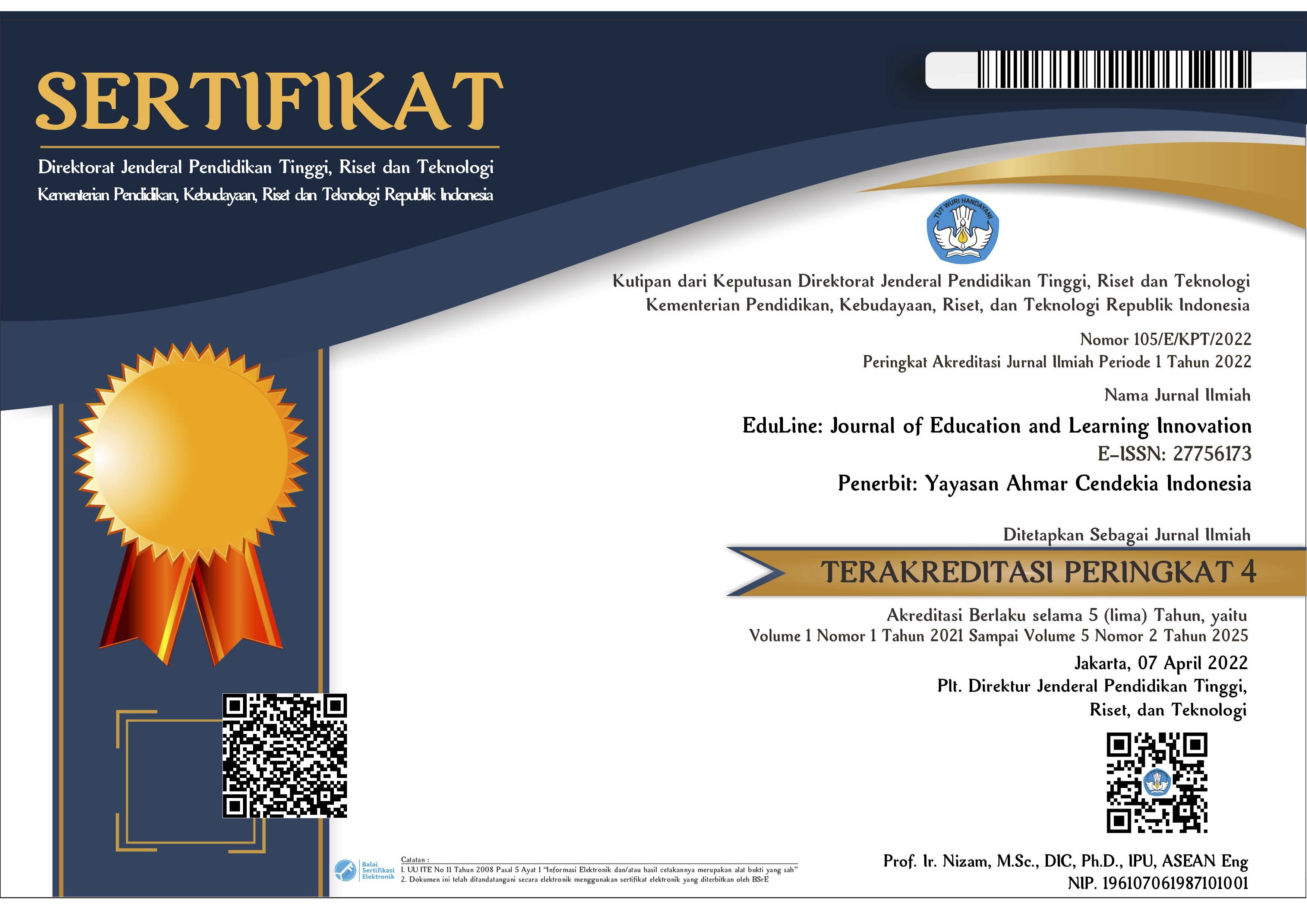
Potholes in the Teaching of Zambian Languages in Secondary Schools: A Case of Bemba Language
DOI:
https://doi.org/10.35877/454RI.eduline1460Keywords:
barriers; mending; potholes; teaching; threshold hypothesisAbstract
This paper presents the potholes in the teaching of Bemba language which is spoken in Zambia. Potholes in this context are hindrances. Bemba is classified as M42. As a regional official language, Bemba is taught in five provinces, namely, Central, Copperbelt, Luapula, Muchinga and Northern. The study used qualitative approach, interviews and document analysis methods. Cummins’ threshold hypothesis theory guided the research. The study shows that potholes exist in the teaching and learning of Bemba in secondary schools. At the center of common critical potholes is negative attitude by administrators, teachers, pupils as well as parents. There are inadequate teaching and learning materials for effective teaching of the subject. The second pothole is that there is limited time allocated to Bemba. The other pothole is language barrier. The study also shows that there is lack of motivation to teachers of Zambian languages in secondary schools. It is further envisaged that lack of qualified and experienced teachers to teach senior classes is yet another pothole in the teaching of Zambian languages. The above common potholes have contributed to poor academic performance among the Grade Nine and Twelve learners in Bemba in secondary schools in Zambia.
Downloads
Published
How to Cite
Issue
Section